For a Vitamin E boost, incorporate more avocados, leafy green vegetables, nuts and whole grains in your daily meal plans. To get more Vitamin C in your body, stock up on tomatoes, broccoli, red berries, bell peppers, kiwi, and spinach. You can learn more about how we ensure our content is accurate and current by reading our editorial policy. Honey is known for its healing properties and has traditionally been used for healing cuts and scrapes. And this sweet remedy can work wonders on injured lips too – just make sure you resist the temptation to lick it off! Honey helps with healing as it has antibacterial activity and forms a protective barrier which wards off infection.

You should always contact your doctor or other qualified healthcare professional before starting, changing, or stopping any kind of health treatment. This can help kill bacteria in the cut in your mouth and promote healing, and it may also help reduce pain and irritation. Make a paste with 1 teaspoon of baking soda and a small amount of water. To help the wound heal, some people will turn to home remedies that have antiseptic or antibacterial properties. These include clove oil, which can be applied directly to the cut, or a poultice-like paste made of water and baking soda.
How we reviewed this article:
The same applies to acidic, spicy, crunchy, or excessively salty foods. If you experience a cut in your mouth, the first course of action is to stop the bleeding. If you were exposed to bacterial infection, a doctor may prescribe antibiotics. Always take your full round of antibiotics — don’t just stop when you feel better. Rarely does a scrape in the mouth require medical attention.
Drinking a cup of tea might help but for a more precisely targeted cure take the tea bag out of the cup and allow it to cool down. Place this damp tea bag over the sore for about five minutes. To heal a cut inside the mouth, apply hydrogen peroxide (one part hydrogen peroxide and one part water with a Q-tips cotton swab) on the cut. Then dab a small amount of Milk of Magnesia on the cut three to four times a day. This is not only soothing, but appears to help healing.
Milk
One of the most common causes of a busted lip is an injury from playing sports, such as basketball, football, or soccer. If a person falls or takes a blow to the face, they may bust their lip. It is best to avoid foods that are spicy, salty, or very acidic as these may cause pain when they come into contact with open wounds. A person should apply gentle but firm pressure on the lip until the bleeding subsides, which should usually take about 5–10 minutes. A person can treat a busted lip by rinsing it with saltwater. The strong taste might deter a few people from trying this remedy, but its efficacy makes it worthwhile.

If the cut is relatively mild, try rinsing your mouth with a little ice water. This shrinks some of the smaller blood vessels, which slows bleeding, and can help reduce swelling and pain. Cuts in mouth should be left alone to promote faster healing. Thus, it is important to replace hard, scratchy foods with softer foods you can consume without chewing, such as porridge, broth, or smoothies. Hard foods which are hard to chew will rub against the cut and make the injury worse. It may cause re-bleeding or make the injury larger.
How to Heal a Cut in Your Mouth
Place the tooth in a container of milk, and rush to the dentist's office. Once the bleeding stops, get a tube of antibiotic cream made especially for oral sores . Some have numbing agents that can help ease the pain. Applying a cold compress to the outside of your cheek can have a similar effect.
The mouth is full of so-called friendly bacteria that help to fight off infection-causing microbes. That's not to say it can't happen, especially if a lesion is deep or caused by gum disease, tooth loss, or dental procedures that require stitches. Petroleum jelly can help prevent moisture loss, stopping the lips from becoming dry and chapped, which may delay healing.
Why do mouth wounds happen?
Juice extracted from fresh coriander leaves should be gargled for five minutes and then ejected from the mouth. For best results, gargle four or five times over a 48-hour period. Also, chewing food slowly and not multitasking during mealtimes may reduce the risk of biting the inner lips or cheeks by accident. While many injuries are unavoidable, a person can take a few steps to prevent serious cuts inside the mouth.

You might consider rolling an ice cube in your mouth until the bleeding stops and the pain recedes. Stitches may be required to stop bleeding in a very deep cut. If the cut is on the lip, they also help keep the lip lines and border in shape. Any time your skin is opened and exposed, you run the risk of infection. Viruses and bacteria can enter body tissues and blood, causing further irritation or dangerous complications. Chewing garlic is a folk remedy believed to kill bacteria in the mouth and prevent infection.
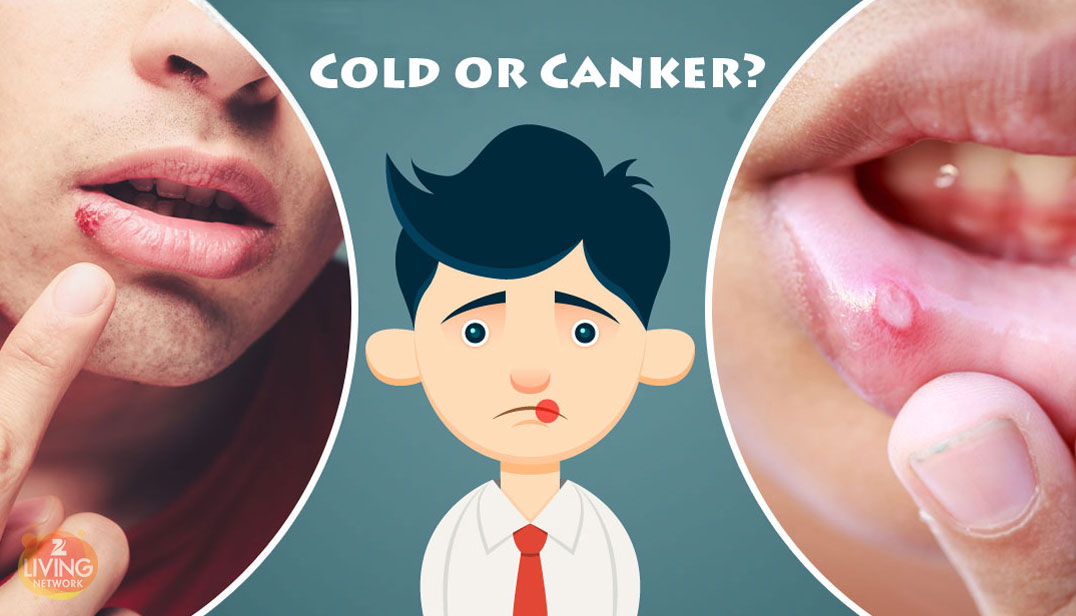
Cold sores are not only unappealing, they are usually very painful and create a lot of discomfort. But the tiny blisters that are filled with fluid are not invincible. We’ve hand-picked some of the most efficient home remedies for cold sores inside mouth. While there is no real cure for a painful cold sore, every one of this remedies will help lessen the discomfort and help the wound clear up faster. If you’re experiencing new or worsening symptoms — such as excessive pain, bleeding, or pus — see a healthcare professional for medical treatment. If the cut or wound is on the outside of the mouth like on your lips, you can easily keep it clean with mild soap, warm water and a clean cloth.
It’s also possible to get these types of injuries inside your mouth, along the gums above your teeth. Honey boosts the immune system and weakens the bacteria. Apply aloe vera gel directly to the cut if you wonder how to heal cut in mouth. Oral antibiotic ointments are topical antibiotics for a local application. They will reduce the swelling and make the cut heal faster as well.
They can make your lips or cheeks swell, and they burn when you eat citrus fruits or drink hot beverages. Thankfully, because they are so common there are clear and easy tips to help them heal. We'll give you the rundown of why these little injuries can be a real pain and answer your questions about how to treat inner lip or mouth wounds. Antibiotic ointment for oral application can minimize the pain caused by accidental mouth biting. It also reduces swelling and promote proper healing. Follow the direction on how often you should apply the ointment onto the cut.


No comments:
Post a Comment